Introduction
Manush Digitech has been strategizing and executing digital marketing support for a UK- and Europe-based B2B SaaS and B2C platform for table reservation and restaurant management.
The product assisted restaurant owners and managers with guest management, table management, and getting more reservations, while it served as a table reservation platform for diners.
For over 6 years Manush Digitech has solely contributed to their growth while managing their 360-degree marketing, including content strategy, social media management, podcast management, PR, SEO, email marketing, CRO, etc., and all this is done remotely from India.
Problem Statement
When Manush Digitech began with the work, the client was already facing multiple issues in marketing channels. There was no synchronized content, PR, or social media. Their email marketing was going in vain and had only a 0.5-0.8% opening rate. It was getting difficult for them to onboard restaurants. The brand could not place their feet in the UK market due to several issues and big players in the industry.
The primary goal of the business was to acquire more restaurants, and for that, everything needed to be built from scratch. There was no in-house market team to support, and thus the challenge was to make a consolidated presence from marketing, that too set up remotely in India.
How Manush Digitech Helped
Via Search Engine Optimisation
SEO (search engine optimization) helped a lot in inbound, which required structured content. Manush Digitech maintained consistency, and the approach was simple: the content strategy.
1.Keyword Research & Content Strategy
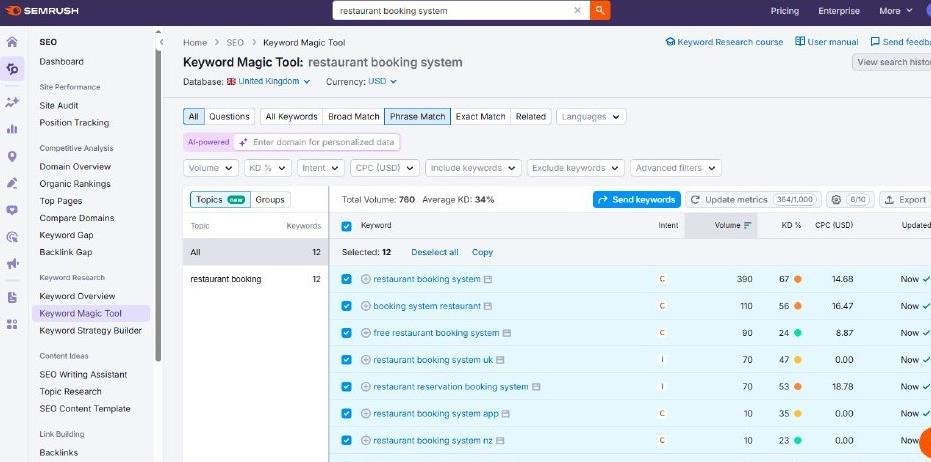
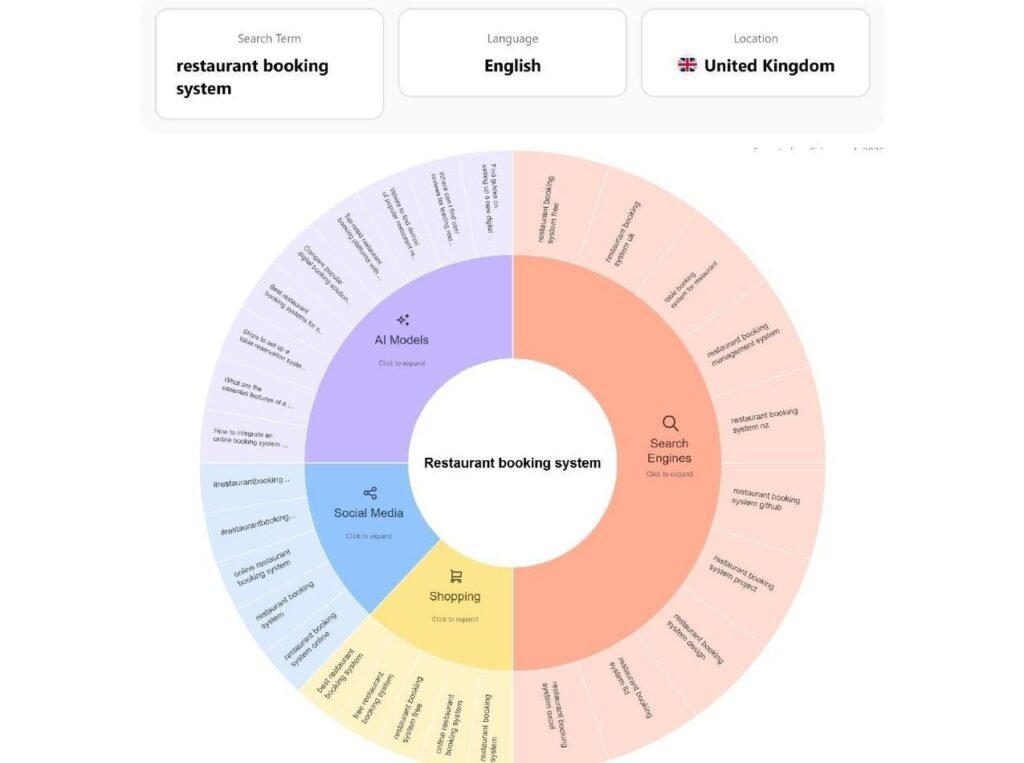
Manush Digitech used the best keywords from platforms like Semrush, AHREFs, etc. AnswerThePublic also helped the marketer to answer the most asked questions in the industry. This also laid the foundation of blogs and landing pages.
2. On-Page Optimisation & Blog Content
Both the main domain and the restaurant-facing subdomain were optimized for keywords that people use when they are ready to buy or learn.
The blog content was written to be much better than what was out there. We looked at the 10 results and made sure our content was way better than those.
Articles about VAT for restaurants, SWOT analysis, and what pubs need to do got to the top 5 on Google. These articles even got featured as answers and drove a lot of traffic to the site from people searching on Google. The main domain and the restaurant-facing subdomain helped bring in a lot of visitors.
The blog posts on VAT for restaurants, SWOT analysis, and pub legal requirements were key to getting visitors.
- Technical SEO & Website Audit
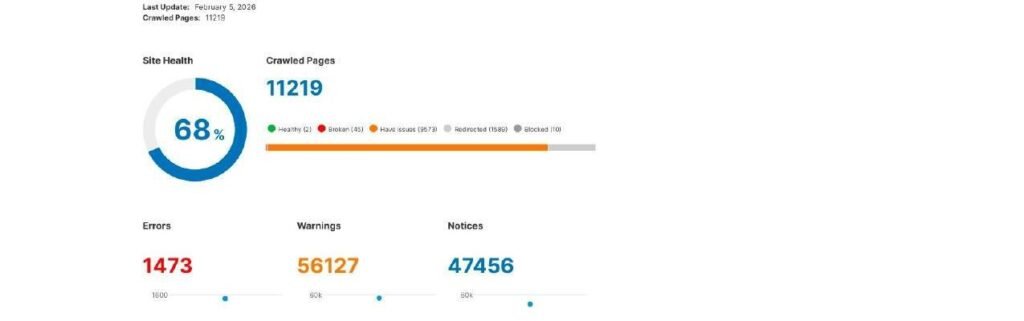
A full-site audit and SEO gap analysis were non-negotiable. It helped in assessing gaps like crawling, missing metadata, broken links, and redirect chains. The crawled website was facing issues with over 11,000 pages, and with the help of systematic monitoring, reports were generated to address the issues.
4. Link Building via Competitor Reverse Engineering
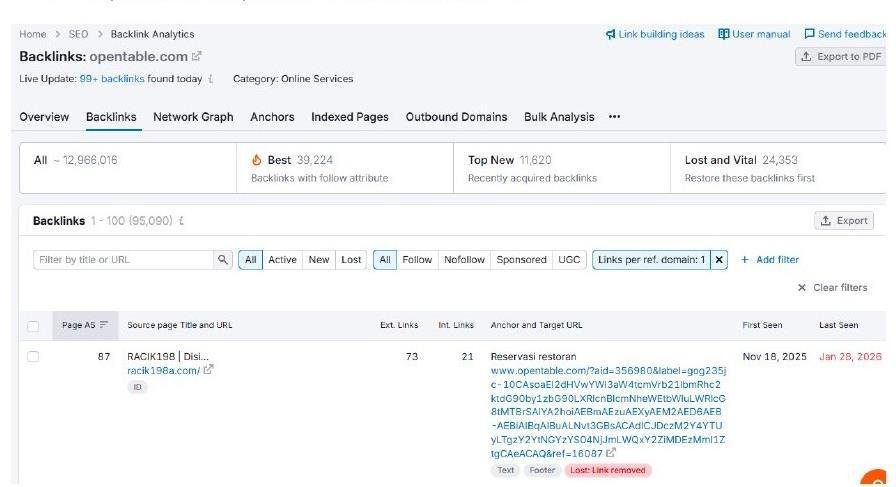
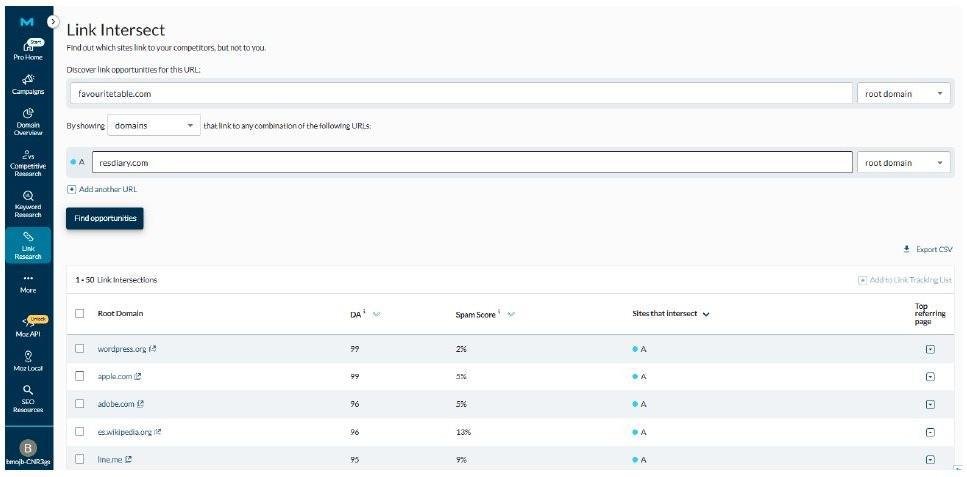
Competitors’ backlink profiles were extracted through Semrush and Moz with a “1 link per referring domain” filter. Moz Pro helped in identifying high domain authority platforms for our clients, which further helped in off-page activities. Backlinks were generated through guest post articles on both sponsored and free platforms.
- Featured.com Link Building
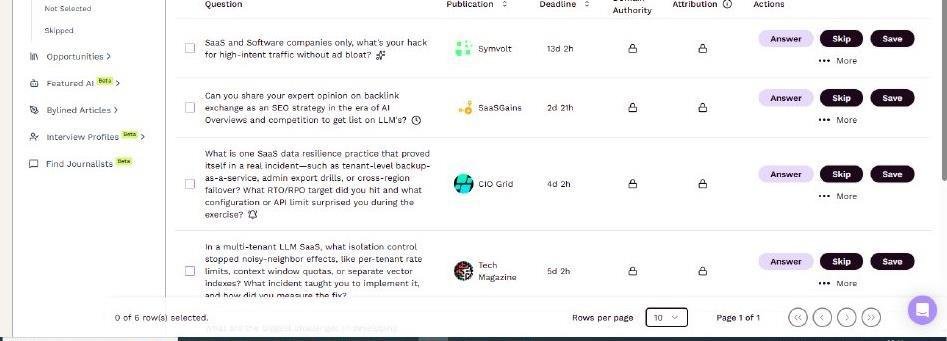
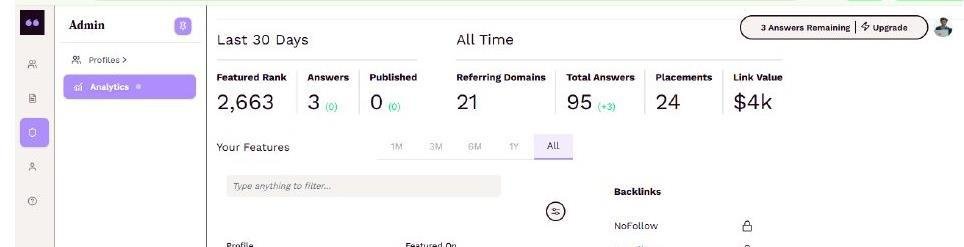
I made a profile on Featured.com. I said I was a marketing expert. I sent in three answers every month to questions about SaaS and tech on Featured.com. People liked my answers. They got put on some big websites like DevX.com, Canadahustle.com, and Marketer Interview. I got my answers on these websites 24 times. These websites are really good and important. This helped me get some backlinks, and it was worth more than $4,000. I was happy with the results from Featured.com and the answers I sent in every month to SaaS and tech questions.
6. AI Search Visibility
Manush Digitech used SEMRush Pros AI audit feature and Ubersuggests AI Search Visibility tool to see how the brand was doing in search results made by intelligence. The client did well in the industry; it got a rank of 4.50 out of 54 competitors in AI search visibility. This means the brand had 1 to 2 important keywords show up in Google AI Overviews.
Tools used: SEMRush Pro, Moz Pro, AnswerThePublic, Ubersuggest, SpyFu Pro, Featured.com, Link Intersect Tool
Via Email Marketing
Email was rebuilt from an inactive channel into a regular money-making weekly update for 20,000 UK restaurant owners.
- Campaign Calendar & Monthly Theme Planning
A whole-year email calendar was planned ahead of time with themes matching the seasonal problems and business cycles of UK restaurant owners. Importantly campaigns were planned before the relevant time. For example the Christmas reservations campaign started in August positioning the clients software as the tool to maximise bookings during peak season. Other themes included cutting down on no-shows making the most of bank holiday revenue handling orders and protecting restaurant data.
- Weekly Sales Emails — 20,000 UK Restaurant Owners
One sales email was sent every week to the list of 20,000 UK restaurant owners. Every email was. Sent through the clients marketing portal with all links tagged for full tracking. Subject lines and content spoke directly to restaurant owners’ everyday problems. Cutting down on chaos making money filling tables reducing no-shows. Rather than focusing on product features.
Open rates got much better from 0.5–0.8% to 2–3%. An increase. With subject lines about revenue and profit driving the most demo booking requests.
- A/B Testing
Every campaign was tested with calls to action. “Book a Demo” “Instant Sign Up” and “Get Started”. To see which one worked best for different groups and times of year. The results were. Used to improve future campaigns.
The email rebuild helped make email a consistent revenue-generating channel, for the client reaching 20,000 UK restaurant owners every week.
- Customer Retention & Winback Emails
We sent out emails every week to get customers. We also had two groups of emails that we sent out every month. One group was for customers we already had. We told them about things we were doing updates to our products and people we were working with. The other group was for customers who had stopped using our service. We called this the winback sequence for customers who had stopped using our service. We sent them messages to get them to come back to our service. We wanted to get these customers to use our acquisition emails and our monthly sequences again.
Tools used: Spotler, FT Marketing Portal, Google Campaign URL Builder, UTM Tracking
Via Social Media Marketing
We used media as a complete channel that worked closely with our monthly email and campaign themes. This was done across LinkedIn, Facebook, Instagram and X (Twitter) with both organic and paid promotions.
- Monthly Content Calendar & Post Scheduling
We published around 9 to 10 posts every month on all four platforms. We planned these posts in advance. Scheduled them using Buffer. Each post matched our monthly marketing theme. The types of posts included:
- Posts about sales that matched our email campaign
- Clips from our podcast with calls to action, which we curated using Minvo Pro
- Posts answering common questions from restaurant owners
- “Did you know?” fact posts, which were part of our FT Fact series
- Posts with quotes, which were part of our FT Quote series
- Posts about launches, press coverage and blog announcements
- Posts from customers who were happy with our service
We designed all our visual assets like social media pictures, post graphics, podcast thumbnails and ad pictures, in-house using Canva Pro. This helped us keep our brand look consistent across all platforms.
- Facebook Group Promotions — Organic Lead Generation
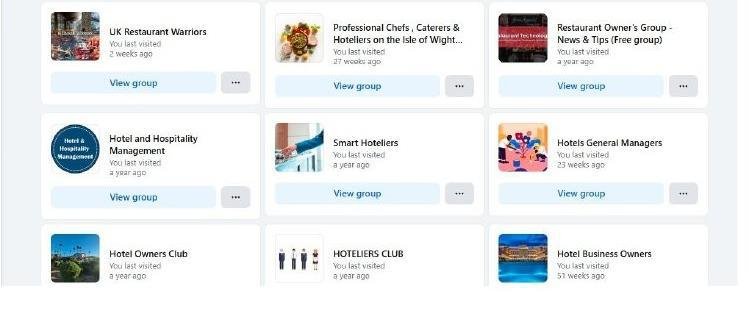
We found and joined over 20 Facebook groups for restaurant owners in the UK. Some of these groups included Restaurant Owners, UK Restaurant Warriors and UK LONDON RESTAURANTS (OWNERS/SUPPLIERS). Every time we posted something we shared it manually in all the relevant groups. This helped us get people to know our brand and get inquiries without spending money on ads. This became one of the ways we got warm leads from businesses.
- Meta Ads — Paid Lead Generation
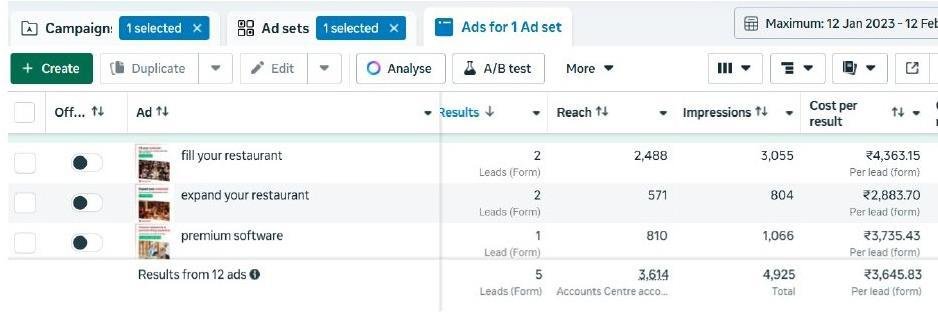
Using Meta Ads Manager to run lead generation campaigns on Facebook and Instagram helped severely. The ultimate goal was to reach restaurant owners in the UK. We made a list of 20,000 potential customers and targeted our ads. We experimented with ideas to see what worked best. We focused on pain points and gaps of restaurant owners like testimonials and what made our service different. We did not have any fees or contracts. This helped us get 23 leads from Facebook. These leads went to our sales team.
Tools used: Buffer, Meta Ads Manager, Canva Pro, Minvo Pro
Via CRO (Conversion Rate Optimisation)
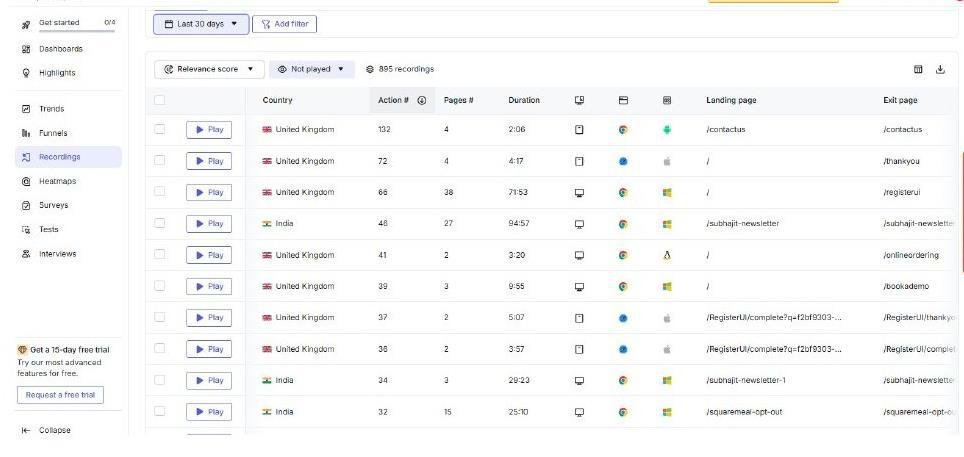
We used tools like Hotjar weekly to see how people dwelled on our website. We looked at heatmaps and recordings of people using our site. This helped us figuring out problems that were making people reluctant to book a demo.
- User Behaviour Analysis
We looked at recordings of people using our site. We only focused on the people who were really interested. These were people who had filled out forms or spent a lot of time on pages. We had 895 recordings to look at. We found out where people were leaving our site and why. We shortlisted things that were not working well and addressed the problem to our product and development team. We helped them with ideas to fix these problems.
- Hero Section Optimisation
We found out that 70% of people who visited our site were leaving without scrolling down past the part. This meant they were not seeing our call to action to book a demo. So we changed the part of our site. We added a testimonial from a customer and some awards we had won. We rewrote our headline to talk directly to restaurant owners and their problems. Such changes fetched us more demo booking and conversion in later stages.
- Competitor Landing Page Intelligence
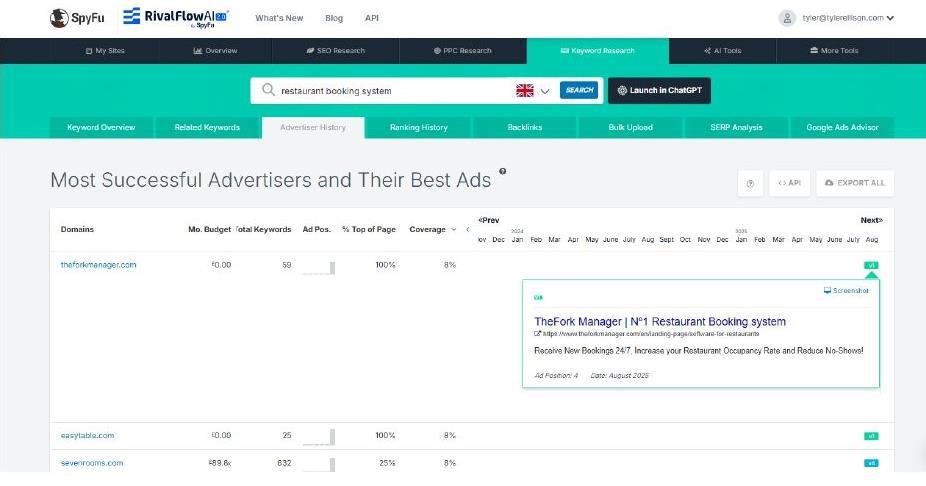
We used tools like SpyFu Pro and SEMRush Pro to look at what our competitors were doing. We looked at their landing pages and ads to see what was working well for them. We looked at companies like OpenTable, EasyTable, SevenRooms and TheFork Manager. We made a list of what we found out and built some example landing pages, in WordPress to help our client.
- Lead Logging & Attribution
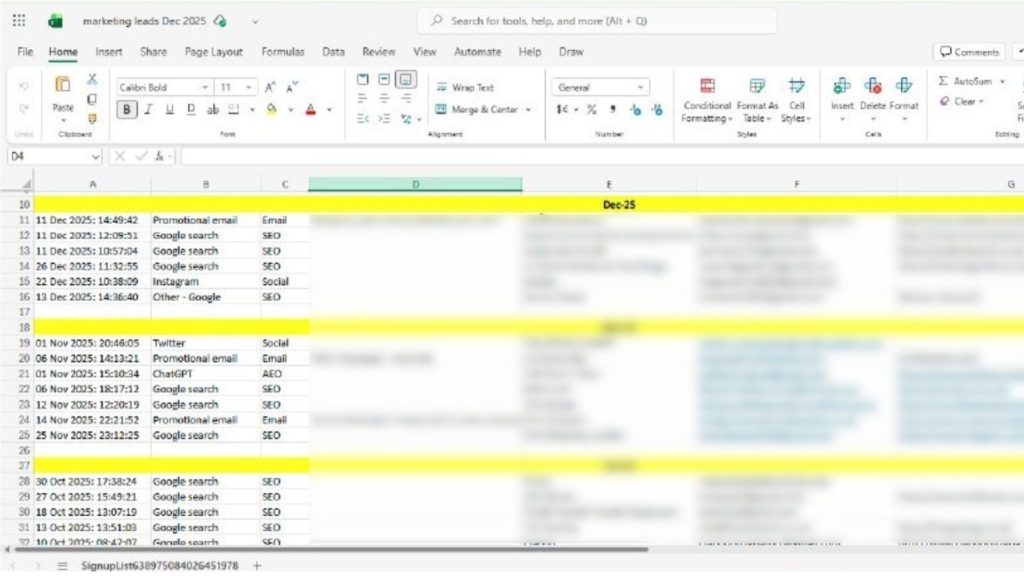
We kept track of every lead that came in. We put all the information into an Excel file that we stored on SharePoint. We included everything we knew about each lead like when they came in how they found us and their contact information. This helped our sales team have all the information they needed to follow up with these leads.
Tools used: Hotjar, SpyFu Pro, SEMRush Pro, WordPress, Excel (SharePoint)
Via PR & Content Authority
PR was built around two ideas that worked well together: making the brand a leader in the UK hospitality space by doing original research and creating really good long content that got top rankings in search results and made the brands website more important.
- The Big Question Series
We started a research project called The Big Question Series that we managed completely. We asked UK restaurant owners questions by email and social media. Things like how they deal with mental health issues in the hospitality industry, what big problems they face and how money problems affect them. We asked them to vote and share what they think. Then we put all their answers together, looked at them carefully and made stories with facts to back them up. We sent these stories to hospitality magazines in the UK. This got the brand a lot of attention. Made it seem trustworthy, to people and computers. Which helped the brand get more attention from Google and language computers and got people asking about the brand without being asked. We also used Meta Ads to tell restaurant owners about The Big Question Series so we could get more people to join in.
- Podcast Production & Distribution
Manush Digitech made a podcast series for people who own restaurants in the UK. They did everything to make the podcast from start to finish. The people who hired them recorded the episodes then Manush Digitech edited and made them sound really good:
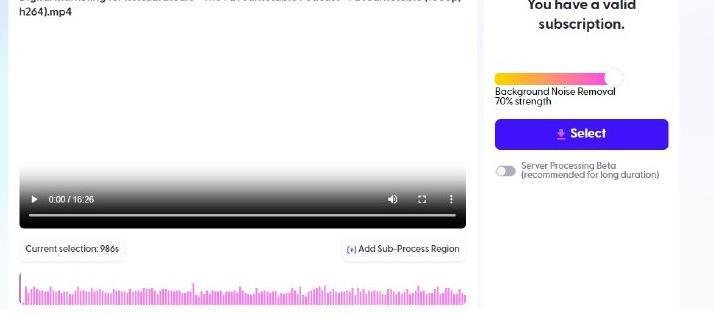
- They made the audio sound perfect like it was recorded in a studio using Xound. This meant they got rid of a lot of the background noise.
- They added subtitles using Flexclip. Made sure the brand name was spelled correctly and there were no typos.
- They edited the introductions and endings of the podcast using Cyberlink Power Director.
- They exported the episodes in high quality, 1080p and uploaded them to Vimeo so they could be put in blog posts.
- They made the cover art for the podcast banners for each episode and short videos for media using Canva Pro.
- They picked the parts of the episodes using Minvo Pro and shared them on all social media platforms telling people what to do next.
The podcast episodes talked about things that’re really important to people who own restaurants in the UK like digital marketing following the rules and staying in business when things are tough. This helped the brand become a trusted authority in the UK hospitality space meaning people in the UK hospitality industry think they really know what they are talking about.
- High-Ranking Blog Content
We published long articles on topics that people who own restaurants in the United Kingdom were searching for online. We wrote about things like VAT for restaurants, how to do a SWOT analysis for restaurants and what the law says about running a pub. These articles performed well on Google and were even featured at the top of the page in the featured snippets. This made it one of the most visited pages on the website. Such blogs about restaurants also helped the brand show up in search results. We added podcast episodes to the blog posts so people would stay on the website longer and build interest.
Results
Metric | Result |
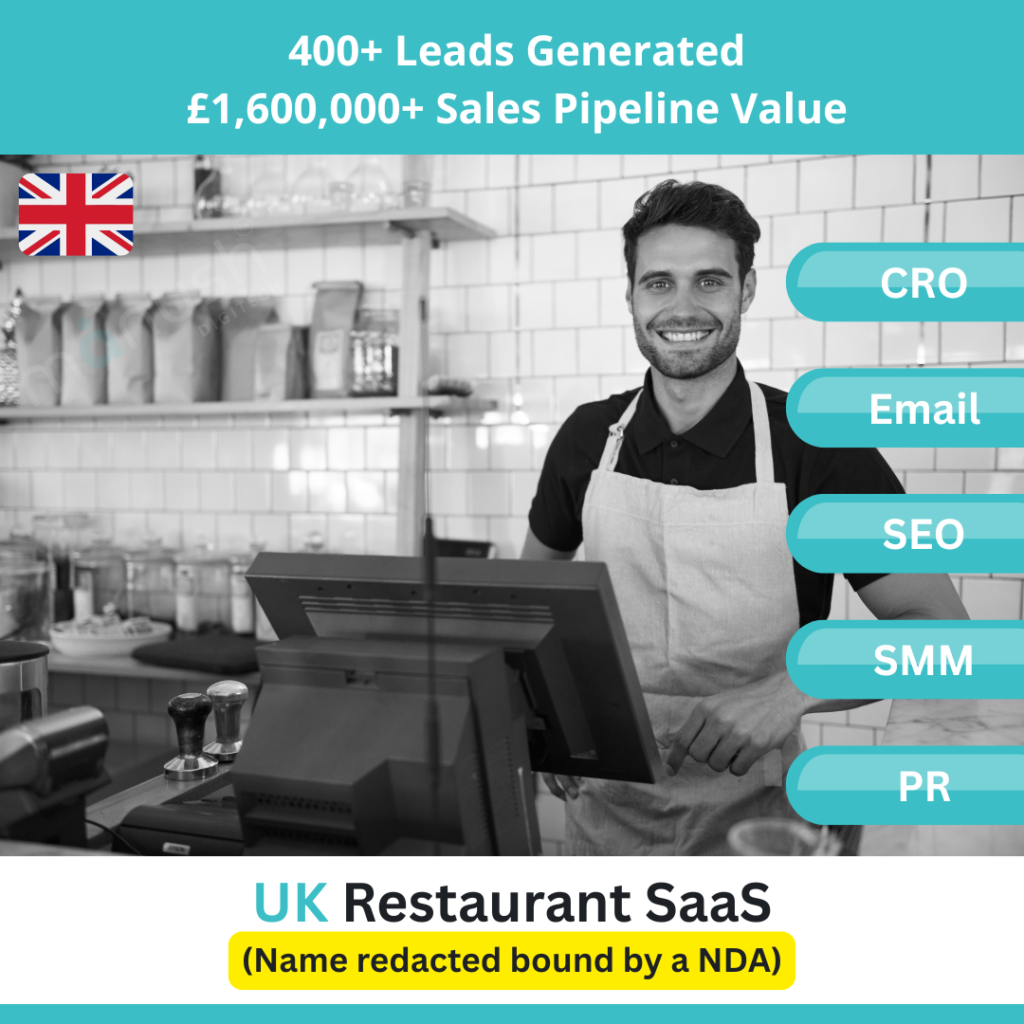
Total pipeline value | £1,600,000+ (400 leads × £4,000 avg CLTV) |
B2B leads generated | 400+ since 2023 across all channels (SEO, email, social, direct) |
Email open rate | 0.5–0.8% → 2–3% — a 4x improvement across 20,000 UK restaurant owners |
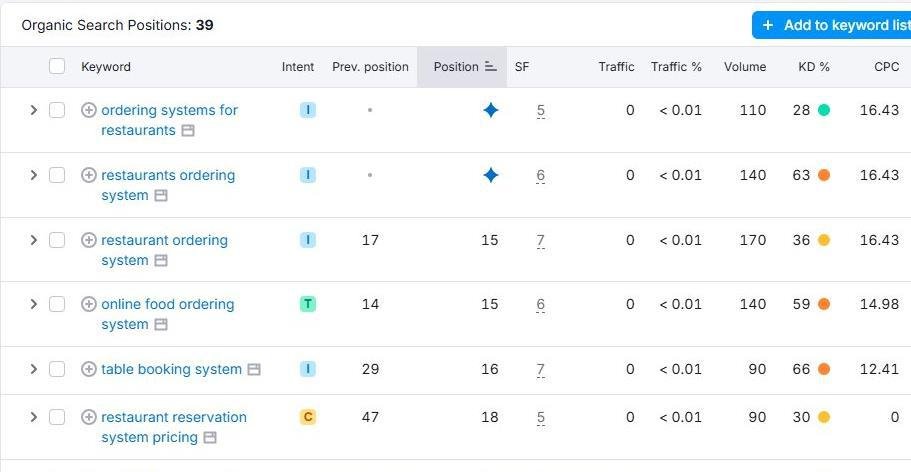
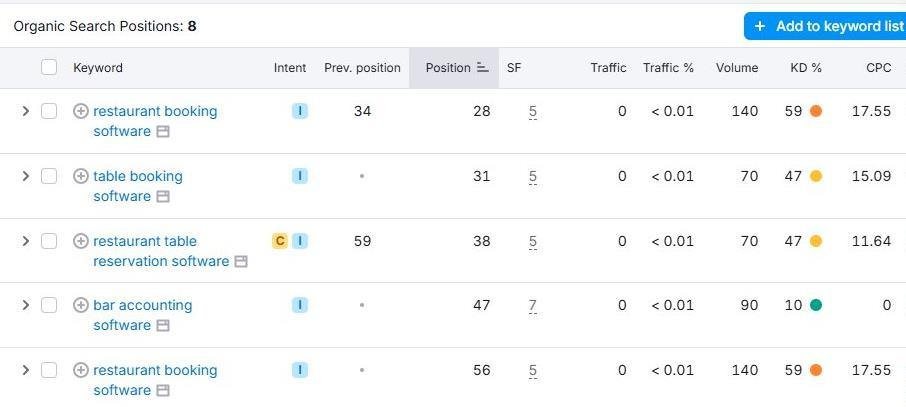
SEO keyword positions | 39 organic positions on the restaurant subdomain, multiple top 5–7 UK rankings |
Blog rankings | Top 5 Google positions + Featured Snippet placements for VAT, SWOT & pub legal queries |
AI search visibility | 1–2 keywords in Google AI Overviews; brand ranked 4.50 out of 54 competitors |
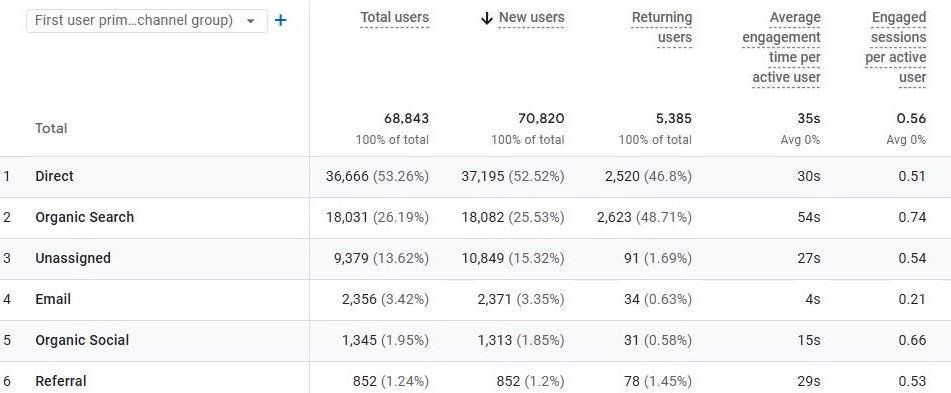
Organic B2B users | 18,000+ organic search users on the B2B domain (Aug 2022 – Apr 2026) |
Featured.com placements | 24 expert placements on DA 55–60+ publications — $4,000+ in backlink value |
Paid social leads | 23 direct B2B leads via Meta Ads campaigns |
Facebook groups | 20+ UK restaurant owner groups joined — consistent zero-budget lead source |
Podcast production | Monthly podcast produced end-to-end: audio, subtitles, editing, distribution |
Engagement duration | 6+ year fractional partnership — every channel owned by a single marketer |
What This Means for SaaS Companies Considering Manush Digitech
The results above show what happens when one person does all the marketing work for over six years. This person did everything without a team in the office without a marketing agency and without wasting any money.
Every part of marketing that usually needs a lot of people. Like someone to do search engine work, then another person to send emails, someone to handle media, then to look at how to make the website better, or to talk to the press and to make pictures. It was all done by one person. This one person did all the work. Made it better over time. The result was over £1.6 million in sales being in the top 5 on Google getting special spots being seen by artificial intelligence and trade newspapers also having four times more people engaging with emails.
When you do marketing on channels it helps everything work together. This means that when you do well on search engines it helps people trust the emails you send. When you get press coverage it helps your website be seen as important. When you make content for podcasts it also helps your media and blog at the same time. Making your website better helps turn visitors into customers. This is what makes working with someone for a time on all marketing channels so valuable.
If you are someone who started a SaaS company or is in charge of marketing. You want one person to be in charge of all your marketing work. With results that you can see and trust. Manush Digitech can be your whole marketing team, from the very start.